


Gas crisis deepens as LNG supply shortages worsen in Pakistan
 Rabbia Zafar
|
4 hours ago
Rabbia Zafar
|
4 hours ago
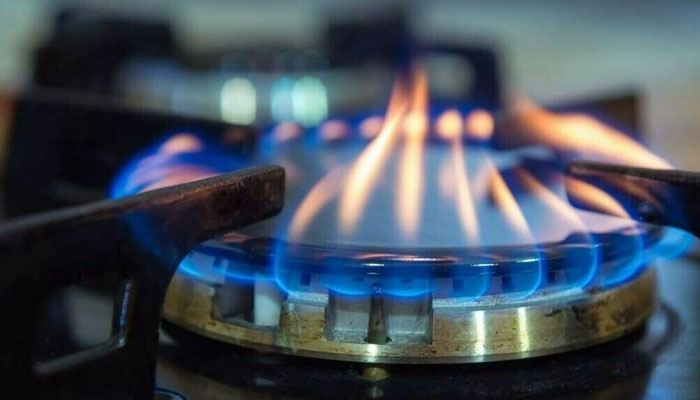
Pakistan is facing an intensifying gas crisis as shortages in re-gasified liquefied natural gas (RLNG) supplies have significantly reduced overall availability, according to official sources.
Officials from Sui Northern Gas Pipelines Limited (SNGPL) said that existing RLNG reserves are declining rapidly, resulting in severe constraints on gas distribution. The power generation and fertilizer sectors have reportedly been affected the most, with supply to these industries reduced to minimal levels.
Sources further revealed that domestic consumers have also experienced reduced gas pressure and limited supply in several areas. The overall gas supply has reportedly dropped to around 700 million cubic feet per day, compared to approximately 1,200 million cubic feet per day before recent regional geopolitical tensions, including the Iran-US conflict.
According to SNGPL sources, the gas shortfall has now exceeded 600 million cubic feet, creating significant pressure on the distribution system and forcing authorities to manage demand through rationing measures.
Despite the worsening situation, gas authorities have stated that supply is being managed to ensure availability during key meal times. Officials claimed that gas is being provided during breakfast, lunch, and dinner hours, although pressure and duration may vary depending on location.
Energy experts have warned that continued shortages in RLNG imports could further strain the system, especially if global supply routes remain unstable or import schedules are disrupted. The situation has raised concerns about its potential impact on electricity generation, industrial production, and household consumption.
Authorities are expected to monitor the situation closely and adjust supply allocations to balance demand across different sectors in the coming days.
Court grants interim bail to PM Shehbaz Sharif’s daughter in money laundering case

Sindh High Court to hear appeal in Mehar triple murder case


Green Pakistan Initiative boosts farming with barren land revival
KP Assembly secretariat raises objections to naswar regulation bill 2026

PSX remains under pressure as rate hike keeps investors cautious
Pakistan economy on path to recovery, GDP growth expected at 4%: Finance Minister

Gold prices see sharp drop across Pakistan as global rates fall


2 hours ago

3 hours ago

3 hours ago

3 hours ago

3 hours ago
3 hours ago
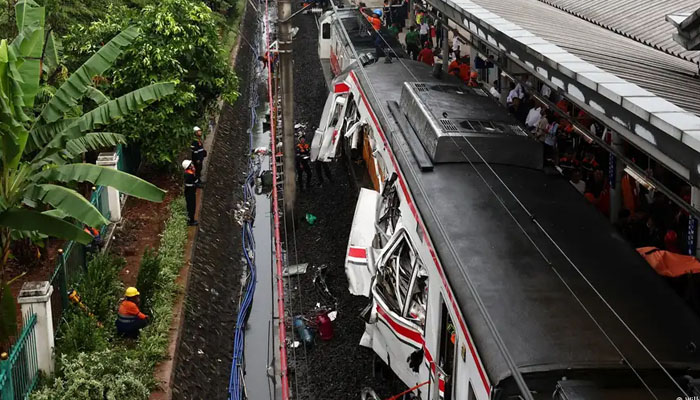
 At least 14 passengers have been killed and dozens injured after a collision between two trains near Jakarta, according to…
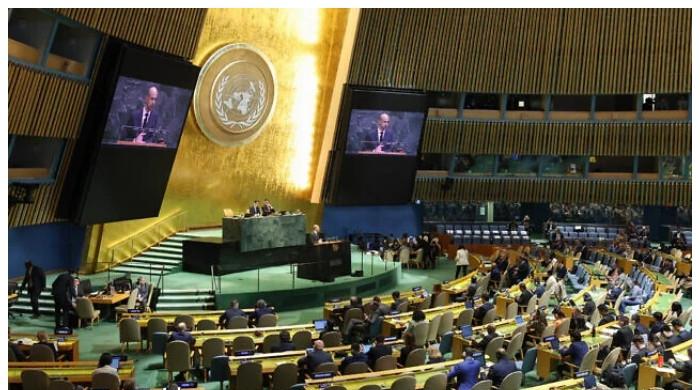
 Tensions surfaced at the United Nations during a conference on the implementation of the Nuclear Non-Proliferation Treaty (NPT), after Iran…
 King Charles III and Queen Camilla have arrived in the United States for an official visit, where they were warmly…
- The United States remains the world’s leading military and economic power, yet its recent and past interventions raise serious questions…


- Federal health authorities have ordered strict nationwide enforcement of a ban on conventional disposable syringes and initiated a policy review…
- Pakistan’s second national anti-polio campaign of 2026 is continuing across the country, with efforts now in its sixth day as…
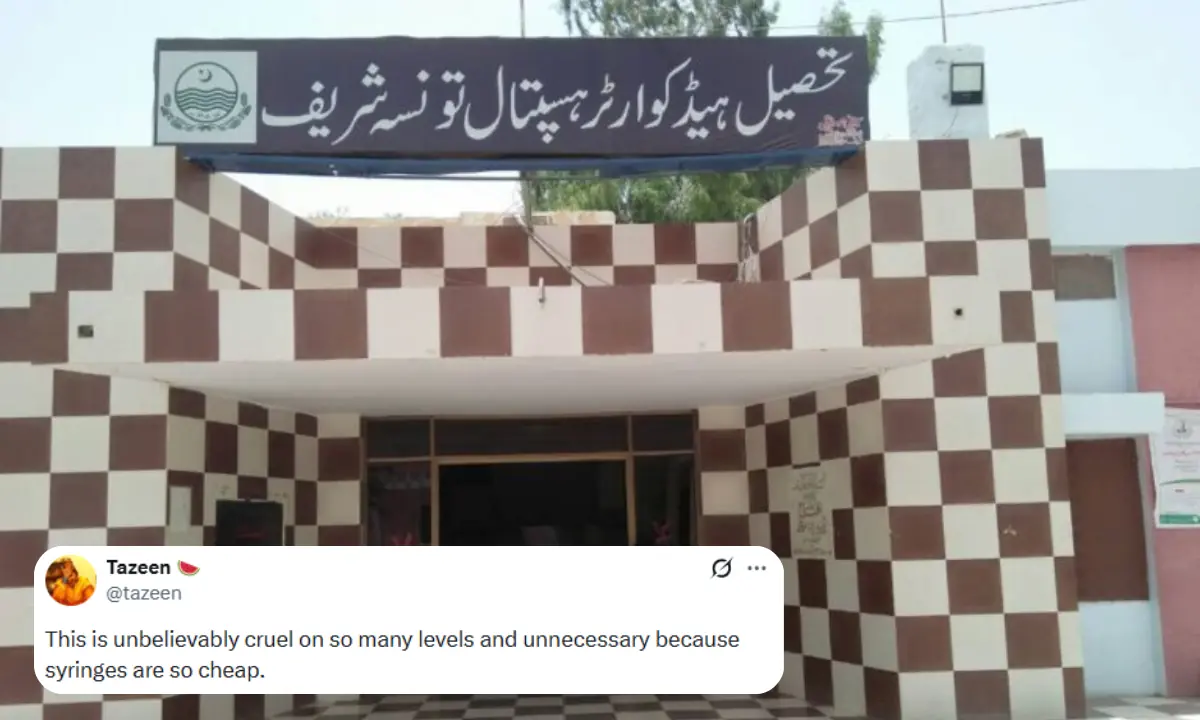
 A shocking report by BBC has triggered nationwide outrage in Pakistan after alleging severe medical malpractice at a Tehsil Headquarter…
 Pakistan’s second National Anti-Polio Campaign of 2026 is continuing across the country with full momentum, as health workers aim to…




- A special central court on Tuesday granted interim pre-arrest bail…2 hours ago
- The Sindh High Court on Tuesday approved a plea to…3 hours ago
- Pakistan’s power generation has been significantly affected due to the…3 hours ago
- Pakistan’s agricultural sector is witnessing steady progress under the Green…3 hours ago